Bitcoin Explained for Beginners
In this clear and practical guide, we explain everything you need to know about Bitcoin as a beginner, the world’s first and most popular cryptocurrency. You’ll learn how it works, who created it, why it matters, and how you can safely buy and store it.
What is Bitcoin?
Bitcoin (BTC) is a digital currency that works without banks or middlemen. It lets people send and receive money directly to each other.
Unlike traditional money like the euro or dollar, Bitcoin is not controlled by any government or financial institution. Instead, it operates on a global network of thousands of computers.
How Does Bitcoin Work?
Every Bitcoin transaction is recorded on a public digital ledger called the blockchain. You can think of the blockchain as a transparent, tamper-proof accounting book that is constantly updated and verified by thousands of independent computers around the world.
Because so many computers are checking and securing the transactions, the network is extremely secure. It has never been hacked, counterfeited, or shut down since its creation in 2009.
Who Created Bitcoin?
A mysterious person or group using the name Satoshi Nakamoto invented Bitcoin. Satoshi published the Bitcoin whitepaper in October 2008, and the network officially launched in January 2009.
Even today, no one knows Satoshi’s true identity. Many believe this person (or group) owns between 1 and 1.5 million BTC from the early days.
You can read the original whitepaper here: Bitcoin Whitepaper
Why Was Bitcoin Created?
Satoshi Nakamoto created Bitcoin to solve major problems with traditional financial systems:
- No middlemen: You don’t need banks or payment companies to send money.
- Fixed supply: Only 21 million BTC will ever exist, which protects it from inflation.
- Full control: Users have complete ownership of their money through private keys.
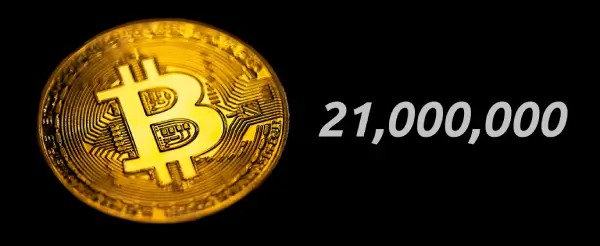
This combination of scarcity, decentralization, and security is what makes Bitcoin unique compared to regular currencies.
What Makes Bitcoin Special?
Bitcoin differs from traditional money like the euro or dollar in several important ways:
- It is decentralized: No bank, government, or company controls Bitcoin. Instead, a global network of volunteer computers runs the system.
- It has a limited supply: There will only ever be 21 million BTC. This scarcity makes it similar to digital gold.
- It is pseudonymous: You don’t need to share your real name to use Bitcoin, although all transactions are public on the blockchain.
- Transactions are immutable: Once a transaction is confirmed, it cannot be reversed or changed. This gives the network strong security.
- It is highly divisible: You don’t need to buy one whole Bitcoin. The smallest unit is called a satoshi (0.00000001 BTC), so you can start with very small amounts.
Bitcoin’s Current Price & Market Cycle (April 2026)
As of April 2026, Bitcoin is trading around $67,000.
It reached its all-time high of approximately $126,000 in October 2025. This means the price has dropped about 47% from its peak.
Bitcoin usually follows 4-year cycles. We are currently in the post-halving phase of the 2024–2028 cycle. Historically, this phase has delivered strong price growth. However, the market remains highly volatile, and prices can change quickly.
How to Buy Bitcoin
Buying Bitcoin (BTC) is easier than most people think. Here’s the simple process:
- Choose a reliable exchange such as Bybit, OKX or Kraken.
- Create and verify your account.
- Deposit money (euros) using bank transfer or any other payment service.
- Buy Bitcoin with your deposited funds.
For small amounts, keeping your BTC on the exchange is usually fine. However, for larger amounts, it is much safer to move it to your own wallet.
Read our full guide here: How to buy crypto
How to Store Bitcoin Safely
The safest way to store Bitcoin is in your own wallet, where you control the private keys.
- Hardware wallets (such as Ledger or Trezor) offer the best security for long-term storage.
- Software wallets (like MetaMask or Trust Wallet) are more convenient for smaller amounts and daily use.
Important tip: Always write down your seed phrase offline and never share it with anyone.
Final Thoughts
Bitcoin is more than just a digital currency, it represents a new form of financial freedom and independence. For the first time in history, individuals can hold and transfer value without relying on banks or governments.
However, this freedom comes with real responsibility. Cryptocurrencies are highly volatile, and the market can be unpredictable. While some people have made life-changing gains, many others have lost money by rushing in without proper knowledge.
Our advice is simple:
- Start small and only invest money you can afford to lose.
- Focus on learning before investing large amounts.
- Be patient. The most successful holders are rarely the ones chasing quick profits.
- Stay disciplined and think long-term.
Crypto is still early. Those who take the time to truly understand Bitcoin often gain not just financial rewards, but also a valuable new perspective on money and technology.
Frequently Asked Questions
Bitcoin has value because it has a limited supply (only 21 million will ever exist), is decentralized, secure, and increasingly accepted as a form of digital money. Many people see it as “digital gold.”
Yes. You can buy very small amounts of Bitcoin. The smallest unit is called a satoshi (0.00000001 BTC). Most beginners start by buying €50, €100, or €200 worth of BTC.
Bitcoin can offer high returns, but it is also highly volatile. Prices can rise or fall sharply in short periods. It should only be considered as a high-risk investment. Never invest money you cannot afford to lose.
Yes, Bitcoin is legal in most countries. However, regulations vary by country, so it’s always wise to check local laws.
Cryptocurrency is known for its high volatility. It is common for the price to move 5–10% in a single day, and even 50–80% corrections can happen during bear markets. This volatility is what creates both opportunity and risk.